|
Learn how to keep yourself pain free at work. On Wed, Oct 11th from 7:30 to 9:30pm, I will be teaching an action packed and participatory class on how to do: self massage, posture adjustment, qi gong exercises, stretching, using tools for self massage, better kinds of chairs. This workshop is targeted towards anyone who sits at a desk or uses a computer, or anyone who uses their hands a lot or drives for work. You can make special requests at the beginning of class to address your individual needs if they are relevant to the topic. The class will be free to anyone who schedules a bodywork session for September. You can bring a friend for $80. This class will help with goals such as:
0 Comments
The Rolf Method is a soft tissue manipulation technique invented by Dr. Ida Rolf, a Phd in Biochemistry with training in Chiropractic, Osteopathy, Yoga and much more. Her goals in developing it, were ease and efficiency of movement in relation to gravity.
Ida's work focused on the fascia of the body, which is a web of connective tissue that is nearly everywhere in the body, surrounding muscles and connecting muscles to bone. Fascia helps give the body a balanced structure. Back in its early days quite aggressive treatment, that seemed to work. The results were amazing, however many patients felt like it was necessary to keep getting Rolfed, in almost a dependency fashion. Later teachers have softened the method to do the minimum effective treatment and to create less inflammation and potential for tissue damage. Also, over time, teachers branched off to develop their own additions to and interpretations of the work. With this decentralization came the trademark of the Rolf Method to protect intellectual property and income. All other schools may use the term structural integration which is not trademarked. I have studied with two schools of structural integration, as well as independently with Rolfers - primarily with the Northwest Center for Structural Integration and also a little with KMI. All of these have their up sides and down sides. What I like about the main program I did is that we heavily involved the client in moving the tissues through moving their own bodies, while we held areas of adhesion. This style is quite different from the work I have experienced elsewhere which may involved very little if any movement. Client movement has several benefits unique to this branch of structural integration:
It is, in my opinion, a wonderful phenomena that there are so many kinds of bodywork. Structural Integration is one of favorites after studying many, many different kinds. I offer much gratitude to this pioneering woman who paved the way for so much profound healing. Arthritis means inflammation of a joint or joints. Inflamed joints are often red, hot, swollen, and tender. There are more than 100 arthritic conditions that affect the joints or tissues around the joint and specific symptoms vary depending on the type of arthritis. The Arthritis Foundation recognizes massage on a regular basis as a proven treatment for symptoms of arthritis. Though research on massage is scarce, two recent studies sited by the Arthritis Foundation confirm the benefit. A study conducted at the University of Medicine and Dentistry of New Jersey examined 68 adults with knee osteoarthritis receiving two Swedish massages per week for eight weeks, compared to a group who received no massage. The massage group reported significant improvements in knee pain, stiffness, function, range of motion and walking, the researchers found. 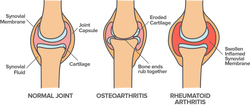 Symptoms may include:
Potential causes for arthritis may include:
Depending on the type of arthritis, massage is varied in its effectiveness. Osteoarthritis is the condition I most commonly work with. Over time, restriction in joints, muscles and fascia can create suboptimal alignment. that misalignment leads to greater friction in the joint, including possibly one part of the joint taking too much of the load. If we can align or free up the joint to move within normal range of motion, then friction and damage is reduced. Some of the damage may be irreversible and if it's too far along, surgery may be called for. I help prevent surgeries in this way. Many people greatly underestimate this value of bodywork. Imagine your car parts are misaligned and you just let it slide. Down the road due to parts creating more friction rubbing against each other over and over in ways they shouldn't, you will have expensive repairs and break downs. This is your body and you've only got one. Surgery to resurface joints and joint replacements usually don't get you back to full function because it's a fake joint and you've had surgery which creates scar tissue. There is also recovery time, cost, and risks involved, especially as you age. The other types of arthritis (systemic disease) also benefits from massage in a different way. Massage can reduce swelling and inflammation temporarily. Joint mobilization and stretching can keep the joint lubricated and from becoming progressively more restricted. Finally, massage helps with pain, but of course the effect is going to be temporary with chronic, system arthritis disease. In these cases, mild to moderate massage is called for, otherwise it may produce a flare. In a recent podcast on The Art of Manliness, guest Dr. Belisa Vranich explains her theory of breathing and a modern culture epidemic of bad breathing, mainly caused by excessive sitting in chairs. She warns of the consequences and provides detailed instructions on how to breathe in a way that increases oxygenation and lowers physiological stress activation via the Vagus Nerve. In my practice, I frequently see upper chest, neck and shoulder breathers which drastically increases tension in these areas and limits breathing capacity where its most effective. Aside from addressing this pathological pattern that 9/10 people in the US have, she challenges popular myths we have been taught about breathing. Among her suggestions for better breathing are:
Listen to the podcast here. 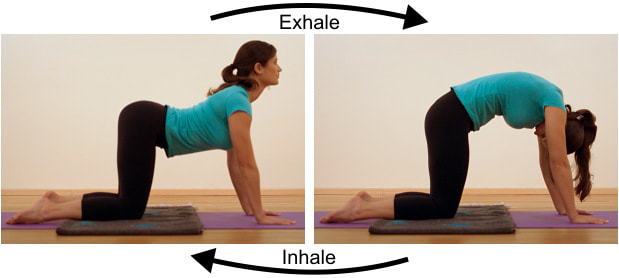 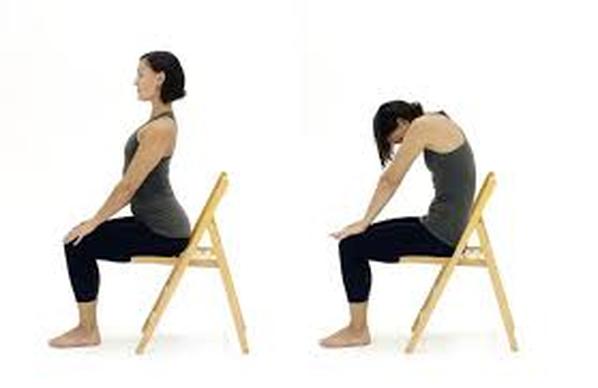 Excerpt "6,000-Year-Old Knee Joints Suggest Osteoarthritis Isn't Just Wear And Tear"
From NPR, August 15, 2017: "So, going into it, I suppose my expectation was that people in the past, especially early hunter-gatherers and early farmers, would have had a much higher prevalence of osteoarthritis than people do today," Wallace says. Surely all that running around, squatting, twisting and other activity in the days before cars and couches would have worn out joints quickly. But that's not what the evidence showed. "I was actually extremely surprised to find that [osteoarthritis] is much more common today" than it was in Americans long ago, says Wallace. That higher rate held true even after scientists corrected for body mass and age. So there's apparently something else driving the increase in knee arthritis. The current study doesn't pinpoint that cause. "If I were a betting man, I would guess physical activity is especially important," Lieberman says. "One of the things that's really shifted in our world today is that we sit all the time, and kids sit all the time. And that may be affecting how our joints are forming and how our joints are aging." This makes sense to Dr. Richard Loeser a rheumatologist who directs the Thurston Arthritis Research Center at the University of North Carolina, Chapel Hill. "Your joints aren't just like your automobile tires that wear out as you use them," he says. In fact, exercise helps nutrients diffuse into cartilage in the knee and keep it strong and healthy. If cartilage "is formed and more healthy when you're younger, then your joints are more likely to be functioning better and have less osteoarthritis when you get older," Loeser says. And exercise also helps fully grown people. "By strengthening your muscles and by stimulating your cartilage you can still improve the health of your joint," Loeser says. An often missing piece in the healing process is reconnecting the body and mind. In truth, they are pieces of a whole, integrated in ways we don't fully understand yet. However, there are well developed methods that can help reintegrate the body-mind to support ease of movement and reduce pain.
Over time, the brain (in particular the cerebellum) creates dysfunctional movement patterns, due to emotional trauma, injury, adhesions, poor posture, sedentary lifestyle, and overuse. During childhood, most movement is easy and functional. But when various restrictions come into play, the brain adapts by telling the muscles to be used in a new way to adapt to the restrictions. Some of the most problematic patterns are small muscles compensating for large muscles that are inhibited or turned off during certain movements. Various triggers also numb certain parts of the body as they disconnect from the nervous system. Even if you try a new movement and you have access to the range of motion, you may not be able to do it without a lot of help at first. This is very common in shoulder injuries. A client may think they can't move their shoulder much, but in fact, there is a more of a neurological signal blip or residual bracing that prevents the full movement. Somatic education teaches clients to listen to their body and respond to sensations by consciously altering movement habits and movement choices. The field of somatics is quite wide and includes the Rolf method, Hanna Somatics, Feldenkrais, Alexander Method, Trager Method, Neurokinetic Therapy, PDTR and much more. I would broaden this to say that all movement therapies offer some somatic education, including Pilates, Yoga, and Tai Chi/Qi Gong. The more conscious the movement and the more help from your trained instructor, the more therapeutic it is. The cases that I assess to benefit most from somatic education are:
In these cases, the nervous system is in a way either rebelling or failing to recognize the newly accessible movement patterns. Somatic education gently asks the nervous system to try out a more functional movement pattern in a conscious way. Occasionally this can support an emotional release that is also gentle. In the form of structural integration that I practice, I use client movement to support myofascial release. This has multiple benefits, including neural reconnection and functional movement awareness of the part of the body we are working with. Often it surfaces to awareness that the client forgot that a range of motion or movement pattern was even lost. This is a big "Ah ha!" moment. Additionally, the form of craniosacral therapy that I practice uses the clients own gentle movements to unwind, exploring forgotten movement while the client is relaxed. This helps when the nervous system and emotions are resisting letting go as it is extremely gentle and client driven. I advise my more challenging cases, on top of our treatments, to find a movement therapy that calls to them. There are few practitioners of more formal somatic education mentioned above because the training is sparse, long and expensive, and clients often want you to perform a quick fix for them. But long-term healing requires at least some client participation. Resources If you can't find a class near you, try out these free somatic education videos to get you started: Susan Koenig videos James Knight videos Essential Somatics videos The videos above are based on Hanna Somatics. There are many other kinds of somatic education. This article gives you an overview of a few other options. Linked here is a more detailed historical perspective on the topic. Further, I love this article by a yogi turned Feldenkrais teacher and her healing journey, "Why I Do Feldenkrais Instead of Yoga." Enjoy reconnecting with your body! . Since many of us sit most of the workday, it's crucial to sit in the best possible way...or stand or kneel. Here's some cues on how to sit properly:
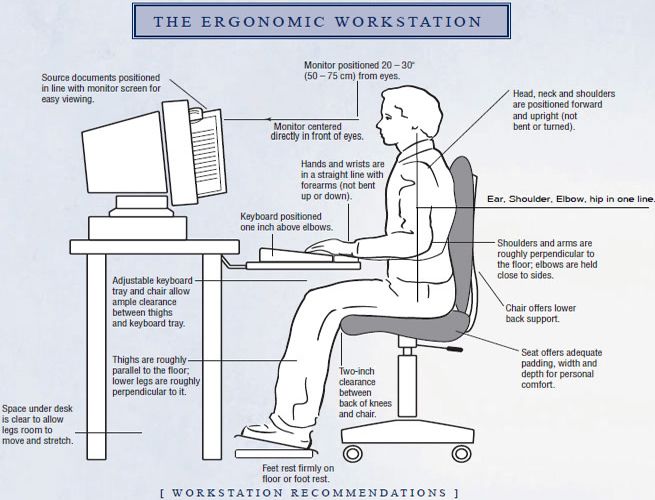 Pectoralis Major and Minor Shoulder Stretches 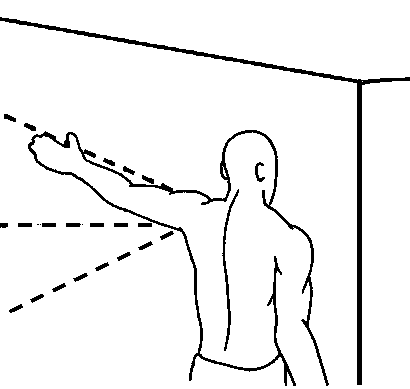 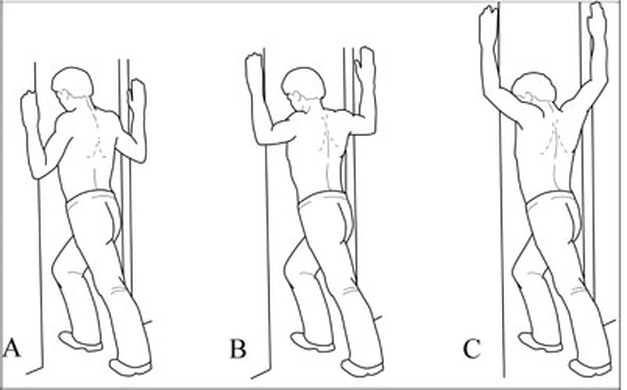 Arm Stretches 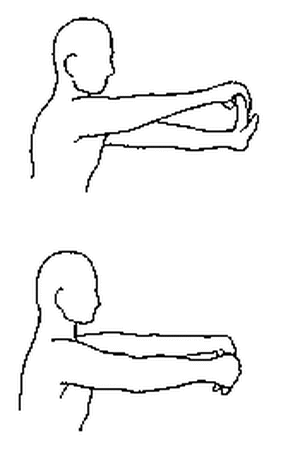 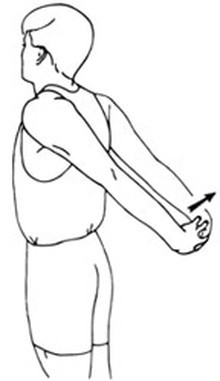 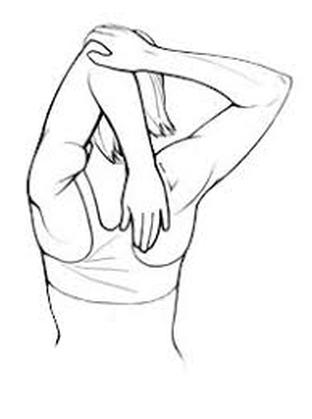 Low Back Stretches 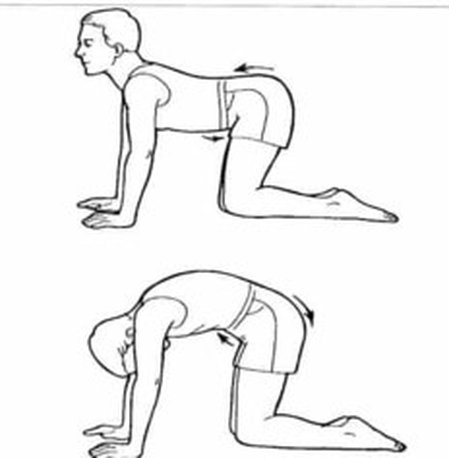 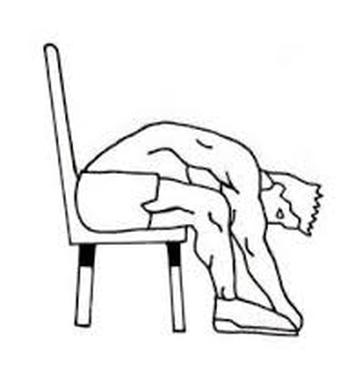 Hip Flexor Stretches (Low Back Continued) 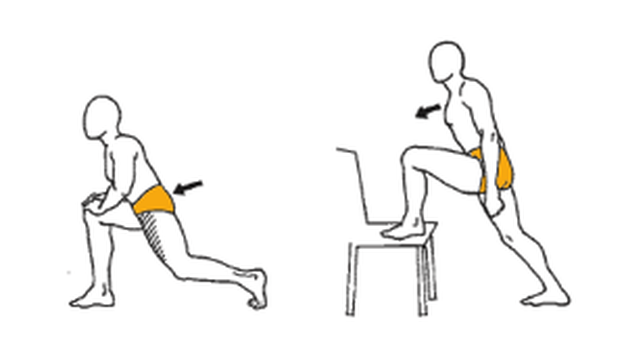 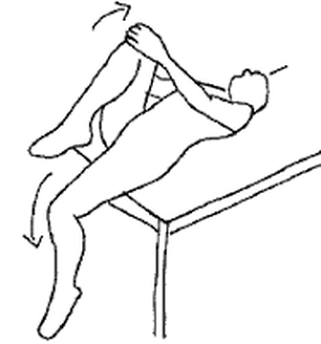 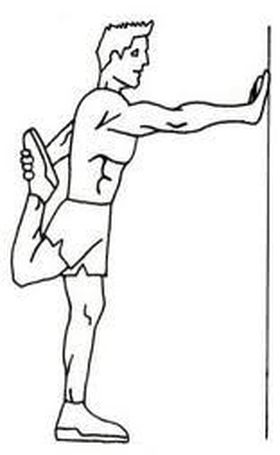 Neck Stretches (Pull Head with Hand) 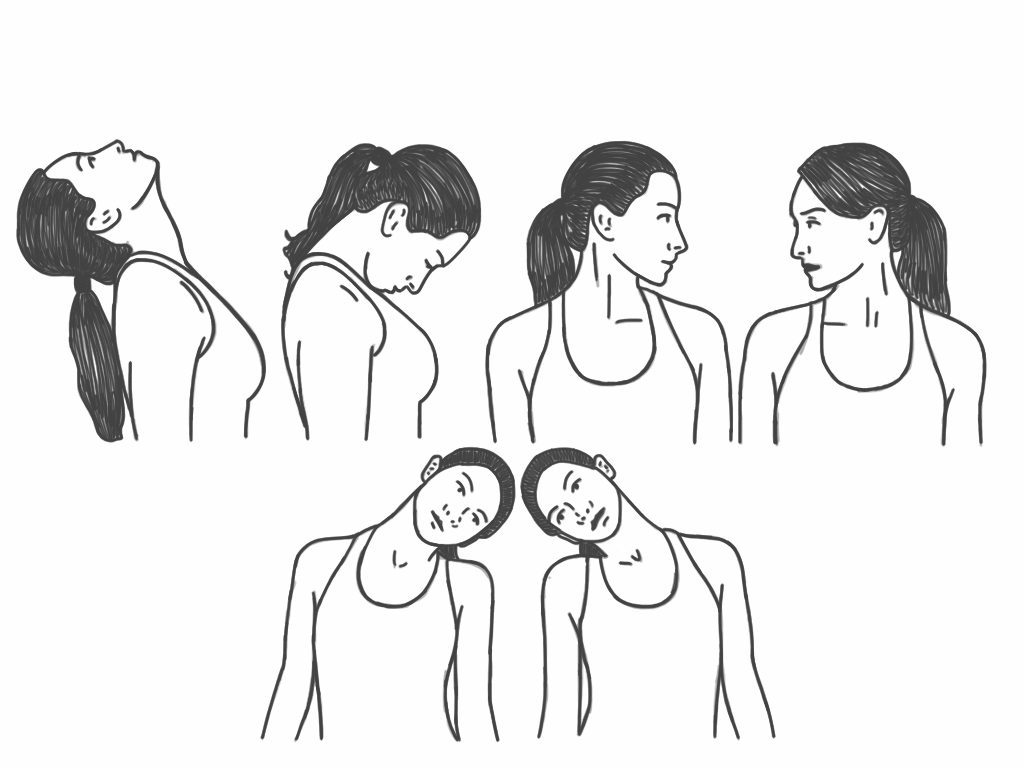 One of the last things people coming into my office think about is organ health. But the truth is the more immobile you are the and poorer the posture, the more likely your organs are being suffocated. Although you may be focusing well on diet, stress, and managing organ issues with medications or supplements, you are likely ignoring the structural forces on your organs.
Most directly, I use Maya Abdominal Therapy to open up the abdominal and pelvic regions to improve blood, lymph and nerve flow to the organs in that area. But there are others ways to improve organ function. For example, your brain may experience lower functioning due to neck tension and suboptimal head and neck position, limiting blood flow to your brain and decreasing mental functioning. If your ribs, diaphragm and other torso muscles are not moving well, you may be getting less oxygen to your whole body. Further, when you can't take a full breath, the massage that your organs get during respiration, and the relaxation effect of deep breathing, is lessened. Structural integration can drastically improve these things. So much so that people often say, "Now I finally feel blood flowing to my brain, hands, etc." As we age not only do our organs naturally start to decline in function but we start to structurally collapse, particularly in our abdomen. This puts additional strain on the organs through pressure of many organs in a shrinking space. They can become adhered to other tissues in an abnormal position. Their channels of inflow of nutrients and immune cells and removal of toxins can become partially blocked. And as we age, increasing immobility causes us to exercise less, further impairing the flow of lymph (immune system fluid). The lymphatic system depends of active movement or massage to function as it doesn't have a forceful pump of a heart muscle, like the circulatory system (even that needs some exercise to avoid problems). We wonder why things like prostatitis and constipation are so common even though as men age in America, sitting all the time, their pelvises become locked and into a suboptimal position for inflow and outflow. We wonder why women have painful periods and difficulty getting pregnant. There can be many factors, but muscular and fascial issues are rarely considered by Western medicine. It's not rocket science to imagine that slightly starving an organ of blood, oxygen and lymph might have an impact. I hope you don't start thinking now "Oh my organs are dying!" but instead start to bring some gentle consciousness to your organs. Are you taking a full breath, is your pelvis moving or does it feel locked and congested, does your brain feel foggy? If you take active steps to keep your organs flowing, they may support you better for the long haul. It's a two way relationship - maybe your organs want more support and some room to breathe in exchange for giving your vitality. Its something to chew on if you want to age well. If you want to learn self organ massage, schedule a Maya Abdominal Therapy session and I will teach you a simple way to take care of your body for the rest of your life. "As long as you are breathing, there is more right with you than wrong with you, no matter how ill or how despairing you may be feeling in a given moment. But if you hope to mobilize your inner capacities for growth and for healing and to take charge in your life on a new level, a certain kind of effort and energy on your part will be required." I see many clients in pain, wondering how things got so bad and feeling regret for what they had "done to their bodies." Life creates suffering in the body. If you are living in a body, you are suffering. Some people who have enjoyed life by being very active are now suffering. Others who have taken full-time office jobs also are suffering. There is no way around it. Don't fight the feeling of suffering, it only makes things worse. Accept it and if you dare, embrace it. Try to forgive yourself. It will help in the process of moving towards healing.
The key is to listen to what your body is telling you. Listen to its messages. I used to see my master bodywork teacher for sessions. Without solicitation he would say "You should quit your job. They don't care about you." He was right and I knew it. He also said "Keep riding your bike, it's keeping you healthy." But it still took me years to listen to him and to acknowledge what I knew in my own body. The consequences of not listening in some ways were catastrophic. We live in a world that considers your body last. So we end up in hospitals, urgent care, disabled, on pain medications and limping around, sometimes getting angry at doctors that can't away our pain with a magic bullet. That's not our fault, but we do have some choice. Often the choice seems like the extremes of financial security or pain in our bodies. But there is a middle path - listening to our body's messages and taking responsibility and action where we can. As we bring our awareness back to our bodies that are so often forgotten and put in last place of priority, we can slowly develop a new relationship. And its hard, I know, when the rest of the world demands that you forget your body and focus on your mind, work, family, and other obligations, but without your body much of your ability to live life will start to erode. At that point, you may start to feel at war with your body. Being at war with your body is not a healthy relationship but noticing you are at war with your body is a place from which healing can start. A new relationship with your body can start with this mindfulness practice:
Follow-up:
Namaste - the divine in me bows to the divine in you. Note: This is an original practice I developed for myself on my journey with Lyme and office-related injuries. It combines mindfulness, loving kindness practices, nonviolent communication, Hoʻoponopono, and positive thinking.
The last few weeks I've seen a number of clients that do a lot of core work, or by the nature of their daily activities, they use their core a lot. Many of them think they have a weak core, though the core muscles seem toned. There's few things that could be happening:
If you are doing core exercises (not under the care of a licensed healthcare professional) and are feeling more discomfort rather than less, it might be helpful to stop doing them and focus on flexibility and mobility for a while. Have a physical therapist evaluate whether you need the exercises and if they are being done correctly.. Here's one view of why you need to be able to move as well as stabilize your core. Qi gong, tai chi, and yoga can help you keep it that way. |
 RSS Feed
