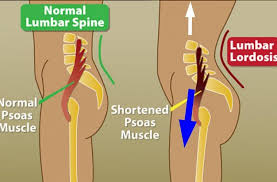
The psoas is a large muscle that reaches from the spine (just above the belly buttom) down through the abdomen and across the hips to attach on the inner, upper femur. The psoas responds to fear to pull the body into a protective, curled up position. It also becomes inflexible from sitting, running, cycling, driving and more. It can cause issues in the low back, hips, sacrum, SI joints and pelvis primarily.
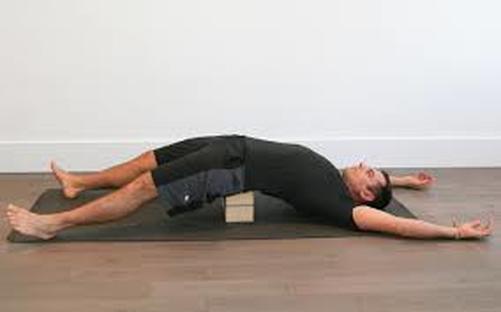
Here's a few ways to release your psoas gently so that it doesn't spasm or recoil. Make sure you release both sides so you feel or see the same amount of flexibility on both sides, which likely means less time on the more flexible side. Make sure to not overdo it. The psoas responds to less not more stretching and be gentle! 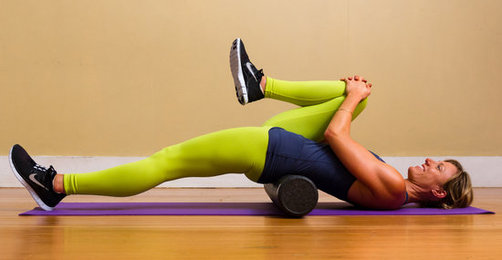
0 Comments
CNN recently posted two articles highlighting both the newness of our understanding of fascia and its importance. Fascia is proposed to be the largest organ in our body. It holds and connect everything together. Scientists now believe what many myofascial, craniosacral and stuctural integration therapists know, fascia can also cause pain, injury, premature aging and lack of mobility.
As we manipulate fascia, it becomes more flexible, nourished and mobile from the tissues around it. However, as we manipulate fascia we are also applying friction to muscles, releasing impinged nerves and restricted blood vessels, and moving fluids. It's because of this complexity of the human body that we may never know exactly why fascial release and massage work at any given point in treatment. However, there are limited studies on fascia:
To understand more about this increasingly important organ, read: |
 RSS Feed
